The Problem
A customer in San Carlos reported a plumbing leak that required investigation.
Our Solution
Heises Plumbing inspected the affected plumbing to locate and evaluate the reported leak.

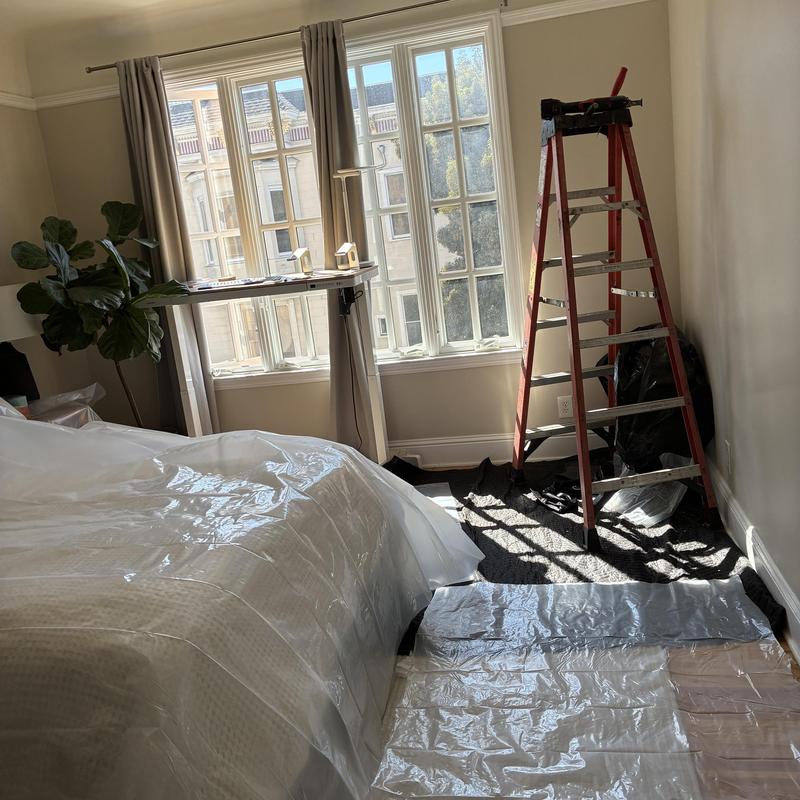
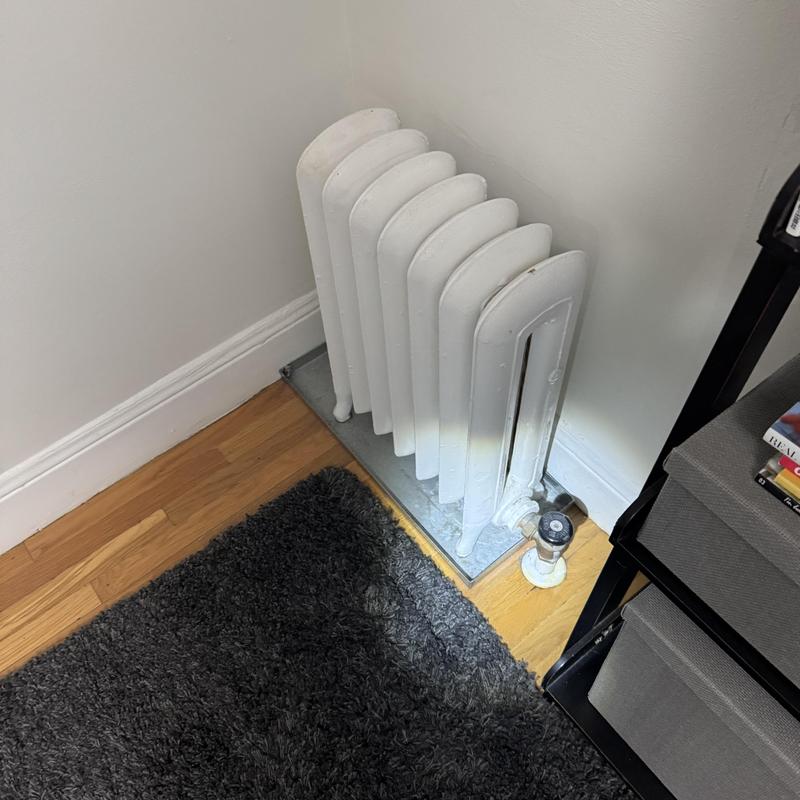
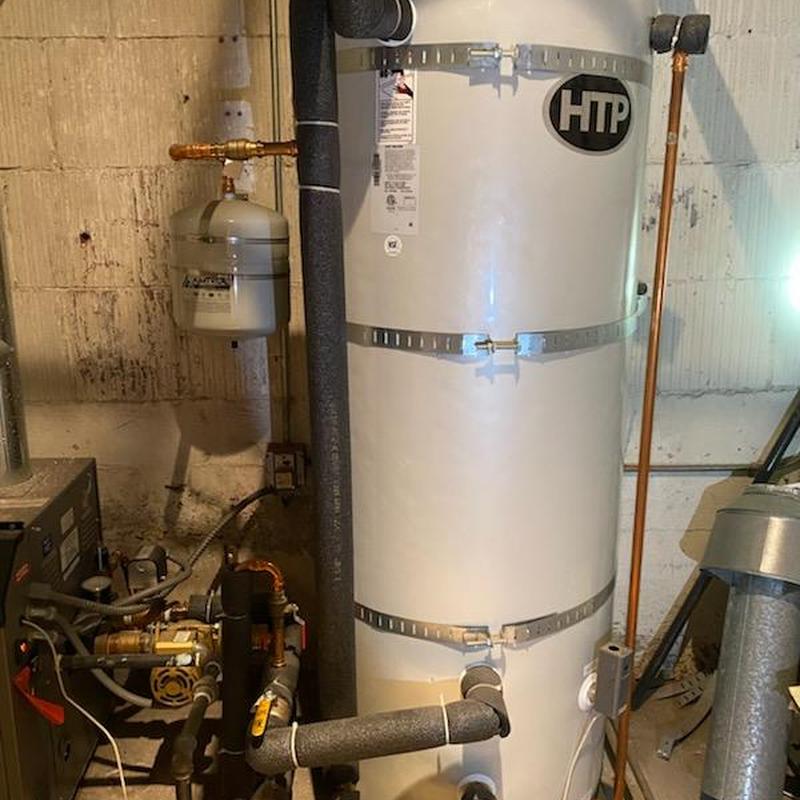
Heises Plumbing recently completed a critical leak repair service for a property in San Carlos, CA. This project was conducted in the vicinity of Coyote Point Recreation Area and San Mateo Central Park, offering essential structural support to local property owners navigating the regional geography's demands. Plumbing systems in San Francisco and the Peninsula face distinct challenges due to the area's geological structures, soil composition, and topography. San Francisco is characterized by a mix of Franciscan Complex bedrock, sandy dune soils in the Sunset and Richmond districts, and unstable reclaimed fill soils in waterfront areas like the Marina District and Mission Bay. Reclaimed fill soils undergo dramatic shifts and settlement cycles, placing massive shear stress on subterranean sewer lines, main water service lines, and drainage fittings.
In addition to unstable soils, the steep hilly topography in neighbourhoods like Twin Peaks, Noe Valley, and Pacific Heights creates extreme static water pressure variations. Municipal water mains at the bottom of these hills must operate at very high pressures to supply homes at the crest, leading to incoming water pressures exceeding 100 PSI for lower-elevation properties. This excessive water pressure accelerates the wear of faucet cartridges, toilet fill valves, and appliance connections, leading to slab leaks and pipe failures. Our service crew traveled via Hillsdale Shopping Center and Foster City Lagoons to reach the site, fully equipped to resolve the customer's issues and protect their infrastructure. By choosing Heises Plumbing, the property owner received professional craftsmanship that respects local soil constraints and California Plumbing Code specifications.
To ensure maximum local relevancy and long-term durability, Heises Plumbing systematically reviews local pressure regulations. Properties located near Belmont Hills and El Camino Real require heavy-duty pressure reducing valves (PRVs) to maintain a safe static pressure under 80 PSI. Without a functional PRV, fixtures are subject to water hammer and plumbing joint fatigue. Our technician approached this project by analyzing the property's static pressure, incoming lines, and drainage grade near local transit routes like US-101 and Calaveras fault hills, ensuring a comprehensive diagnosis before performing any physical repairs.
A customer in San Carlos reported a plumbing leak that required investigation.
Heises Plumbing inspected the affected plumbing to locate and evaluate the reported leak.
All work completed by Heises Plumbing is strictly governed by the Uniform Plumbing Code (UPC) and the California Plumbing Code (codified under Title 24, Part 5 of the California Code of Regulations). The City and County of San Francisco enforces these codes via the Department of Building Inspection (DBI) to ensure public health, sanitation, and safety. Under California Plumbing Code Section 707.0, cleanouts must be installed in specific locations to permit access for clearing blockages, including at the upper terminal of each horizontal drainage pipe and at intervals of not more than 100 feet in straight runs. Our camera inspection confirmed the existing cleanouts were poorly positioned, requiring us to install a new, code-compliant outdoor double-way cleanout in accordance with CPC standards.
Furthermore, California's strict Title 24 regulations mandate water conservation and materials usage. For instance, all newly installed faucets and toilets must meet water-flow limits (maximum 1.2 GPM for bathroom faucets and 1.28 GPF for toilets). The lack of a thermal expansion tank violates CPC Section 608.3, which requires an expansion tank or pressure-limiting device where a backflow preventer or pressure regulator creates a closed system. The inaccessible gas shutoff valve violated CPC Section 1211.0, which mandates that gas shutoff valves must be readily accessible for emergency shutoffs. Our team corrected all found violations, ensuring the entire plumbing system complies with San Francisco building codes.
Proper venting is critical in San Francisco to maintain hydraulic balances in multi-story residential layouts. Under CPC Section 901.0, each plumbing fixture trap must be protected against siphonage and backpressure by a code-approved vent pipe. By resolving the unvented fixture connection and replacing the S-trap with a code-compliant P-trap and an Air Admittance Valve (AAV) where allowed, or routing an individual vent line to the main vent stack, we restored proper hydraulic balance. We also obtained all necessary municipal plumbing permits and scheduled the required SF DBI inspection, ensuring the property owner has a fully documented, code-compliant installation.
To resolve the diagnosed issues and guarantee a long-lasting repair, Heises Plumbing utilized premium equipment and materials from industry-leading manufacturers. For the drainage modifications, we selected Charlotte Pipe Schedule 40 ABS piping and fittings. Charlotte Pipe products are manufactured in compliance with ASTM standards, providing excellent impact resistance, structural strength, and smooth inner walls that resist scale adhesion and build-up. For structural water lines, we utilized Watts pressure regulator valves to reduce incoming high pressure down to a safe, steady 55 PSI, protecting the home's water lines and plumbing fixtures.
For the hot water system additions, we installed a Watts thermal expansion tank designed for potable water applications, featuring a butyl rubber diaphragm that separates the water from the air chamber to prevent waterlogging. In replacing worn kitchen and bathroom valves and faucets, we chose Moen and Delta fixtures. Moen fixtures utilize patented Duralast cartridges that offer a smooth feel and resist hard water scaling, while Delta fixtures feature Diamond Seal Technology to eliminate leaks and ensure durability. If toilet modifications were required, we installed a Kohler Highline toilet featuring Class Five flushing technology for water-saving performance.
We also utilized Sloan flushometer valves and commercial-grade fittings where applicable, alongside Watts lead-free brass valves and Charlotte Pipe cement. All selected brands carry certifications from the International Association of Plumbing and Mechanical Officials (IAPMO) and display the UPC shield. By using Rheem and Bradford White for water heating components, and Moen, Delta, Kohler, and Watts for distribution systems, Heises Plumbing guarantees that every component installed meets or exceeds the regulatory standards required in California, providing the homeowner with years of maintenance-free service.
With the plan approved and materials ready, our plumbing crew began the step-by-step repair process. First, we isolated the main water supply line at the meter and drained the home's distribution pipes. For the under-slab leak, we carefully excavated the localized area identified by our acoustic leak locator. After exposing the damaged pipe, we cut out the ruptured segment and prepped the pipe ends. We installed a new section of Type L thick-walled copper pipe, joining it with lead-free solder and high-temperature brazing to ensure maximum structural strength. We then backfilled the excavation, compacted the soil, and sealed the slab.
Next, we addressed the drainage issues. We removed the illegal S-trap piping and constructed a new, code-compliant P-trap configuration using Charlotte Pipe ABS components. To resolve the venting violation, we integrated an Air Admittance Valve (AAV) above the flood level rim of the fixture, ensuring proper air intake while preventing sewer gas escape. For the water heater expansion tank, we cut into the cold water feed line, installed a brass tee fitting, mounted the Watts thermal expansion tank, and pre-pressurized the tank's air bladder to match the home's static water pressure. We also installed a sediment trap on the water heater's gas supply line and relocated the gas shutoff valve.
Once the structural repairs and code corrections were complete, we performed comprehensive system testing and verification. We slowly restored water pressure, purged all air from the lines, and conducted a static pressure test for 30 minutes, verifying that no pressure drop occurred. We tested the newly installed AAV and drainage line, checking for leaks and verifying smooth, rapid drainage. We performed a soap-bubble test on all gas connections to ensure zero leakage. Finally, we verified the hot water system's operation, confirming the temperature and pressure relief valve (T&P) functioned correctly. The entire system was verified for safe, reliable operation, restoring full service to the home and leaving the workspace clean and tidy.
Contact Heises Plumbing today for expert, licensed, and code-compliant plumbing services in San Carlos and surrounding communities.
Explore recent projects completed by our skilled technicians in your neighborhood.
